La hija del pescador: la mujer que está reinventando la hospitalidad en el sur de España
Natalie, fundadora de The Fisherman’s Daughter en Marbella, está redefiniendo la hospitalidad en la Milla de Oro con un concepto que combina marisco, champán y una elegancia con sello de diseño, junto con ambiente, intimidad y conexión emocional, marcando el inicio de una visión más amplia para la alta cocina de lujo contemporánea.
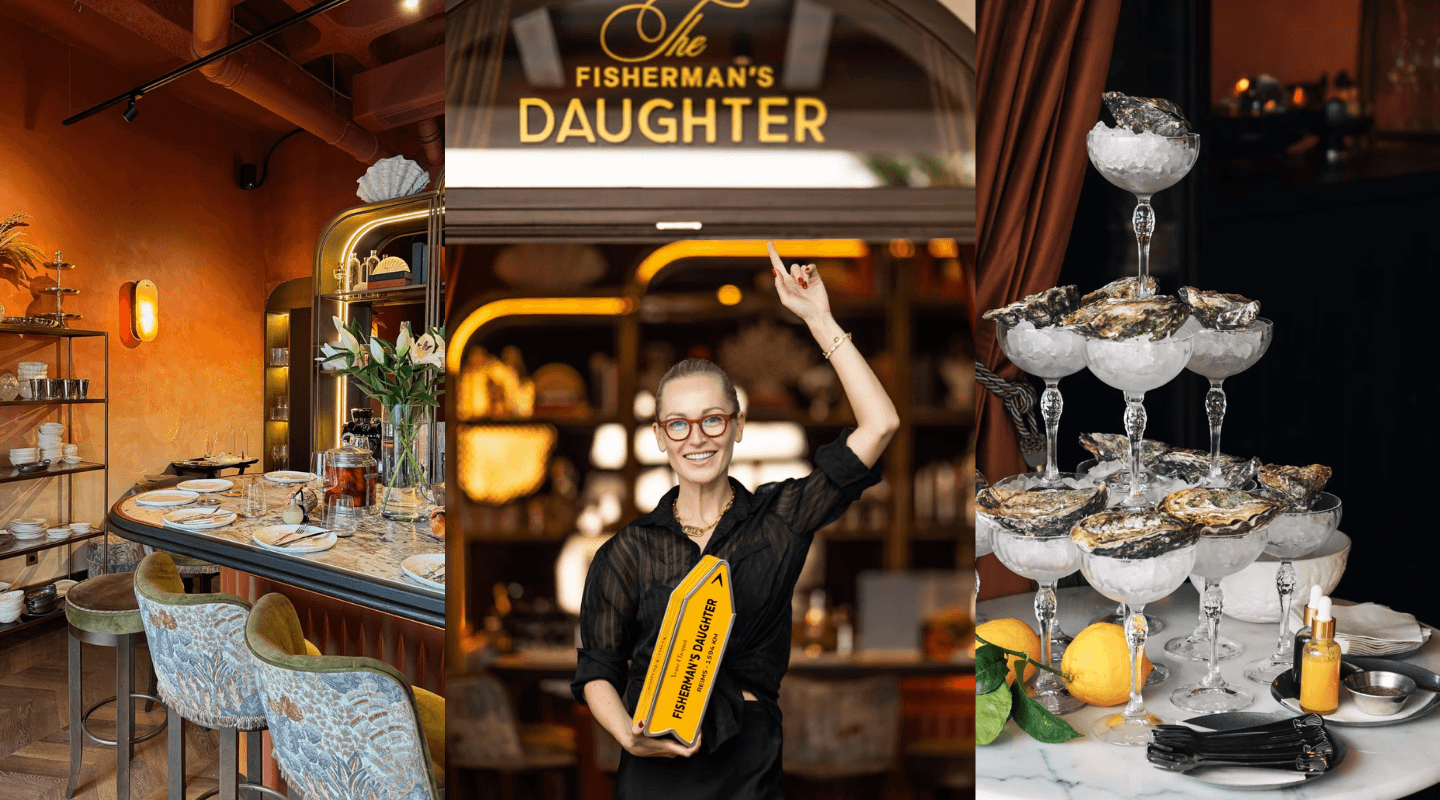
En Marbella, donde la belleza es casi un hecho, The Fisherman’s Daughter ofrece algo aún más raro: un punto de vista propio.
Ubicado en Forum Marbella, en la Milla de Oro, no es simplemente un restaurante ni solo un bar, sino un lugar con su propio ritmo. De día, brilla con sol, marisco y champán. Al caer la tarde, se transforma en algo más suave, más magnético. El ambiente se profundiza, la luz baja, la energía permanece. Todo se siente cuidado, pero nunca recargado. Es sensual, pulido y profundamente personal.
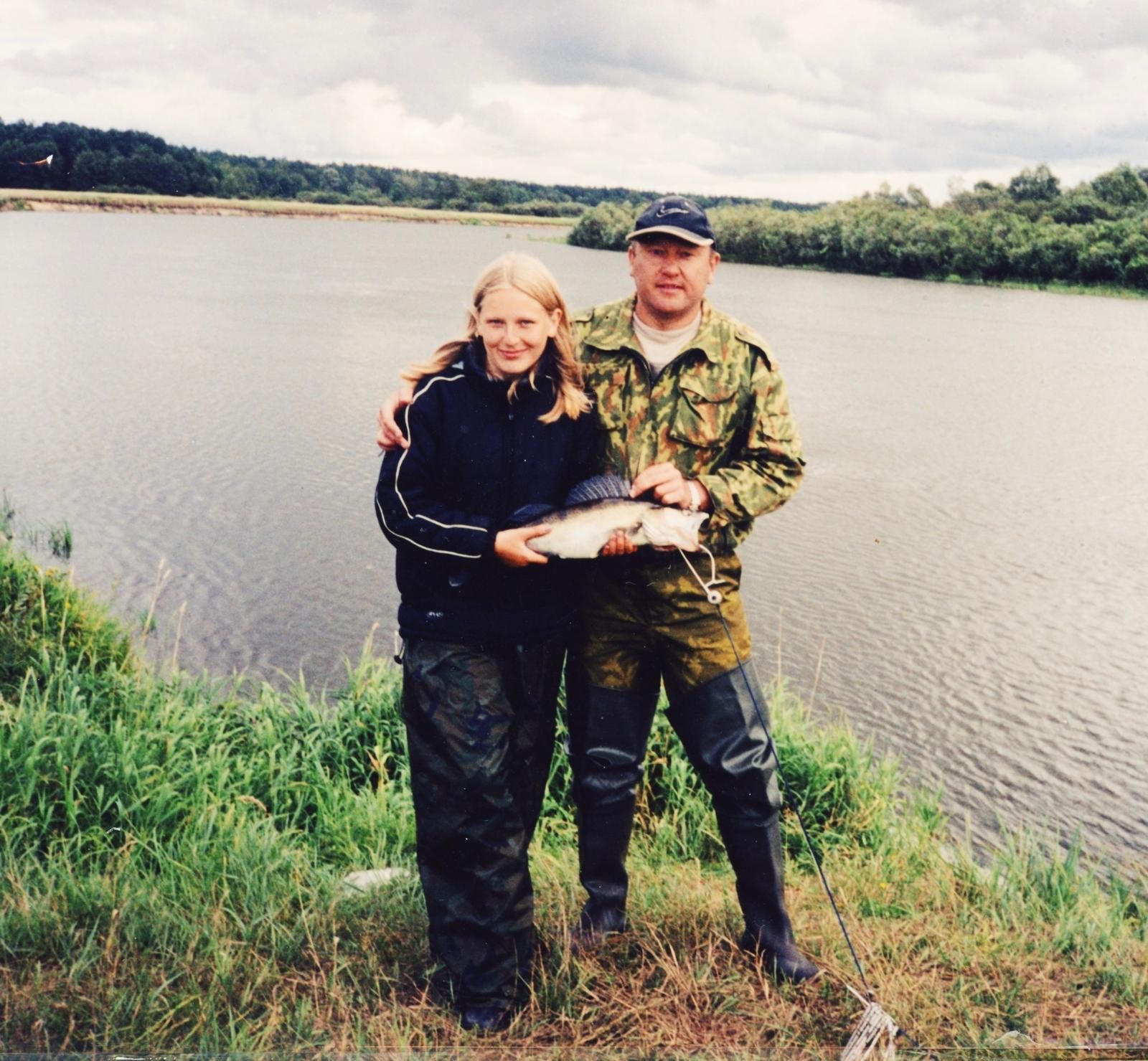
En el centro de todo está la fundadora Natalie, cuya historia se entreteje discretamente en el concepto. The Fisherman’s Daughter no es un nombre ingenioso ni un recurso de branding. Es un homenaje. Nacida en Minsk y marcada por una vida vivida entre fronteras, Natalie creció con el agua como constante y con su padre como un primer símbolo de ritual, paciencia y conexión con el lugar. Los viajes de pesca en Bielorrusia, más tarde los días en barco en Nueva York, y la geografía emocional de una vida internacional acabarían encontrando su lugar en el mundo que ha creado en Marbella.
Antes de España, estuvo Nueva York, donde su comprensión de la hospitalidad tomó una forma más definida. Allí empezó a ver la mesa como algo más que un lugar para comer. Podía ser una pausa, un umbral, un mundo dentro de otro mundo. Aprendió que la gente rara vez recuerda solo lo que comió. Recuerda cómo le hizo sentirse una sala, cómo caía la luz, cómo parecía estirarse el tiempo.
Cuando llegó a Marbella, encontró mucha belleza, pero poco que captara su atención más allá del plato. Había terrazas elegantes, ambientes impecables, almuerzos pulidos. Lo que faltaba era peso emocional. Así que decidió crearlo ella misma.
Forum Marbella se convirtió en el escenario natural para esa visión. Mucho antes de abrir, Natalie se encontraba pasando por el lugar e imaginando en qué podría convertirse. ¿Por qué no había aquí un restaurante de marisco? ¿Qué tipo de atmósfera pedía el espacio? Más tarde, cuando conoció a John Brendmoe, que buscaba un concepto de seafood bar, la sintonía fue inmediata. Ella ya tenía la idea. Solo necesitaba un hogar.
Ese hogar es ahora una de las direcciones más distintivas de la Milla de Oro. El entorno es contemporáneo y lujoso, pero nunca anónimo. The Fisherman’s Daughter rehúye la distancia excesivamente pulida que a menudo acompaña a la alta cocina. En su lugar, ofrece intimidad. Se siente elevado, pero cálido. Con estilo, pero sin artificio.
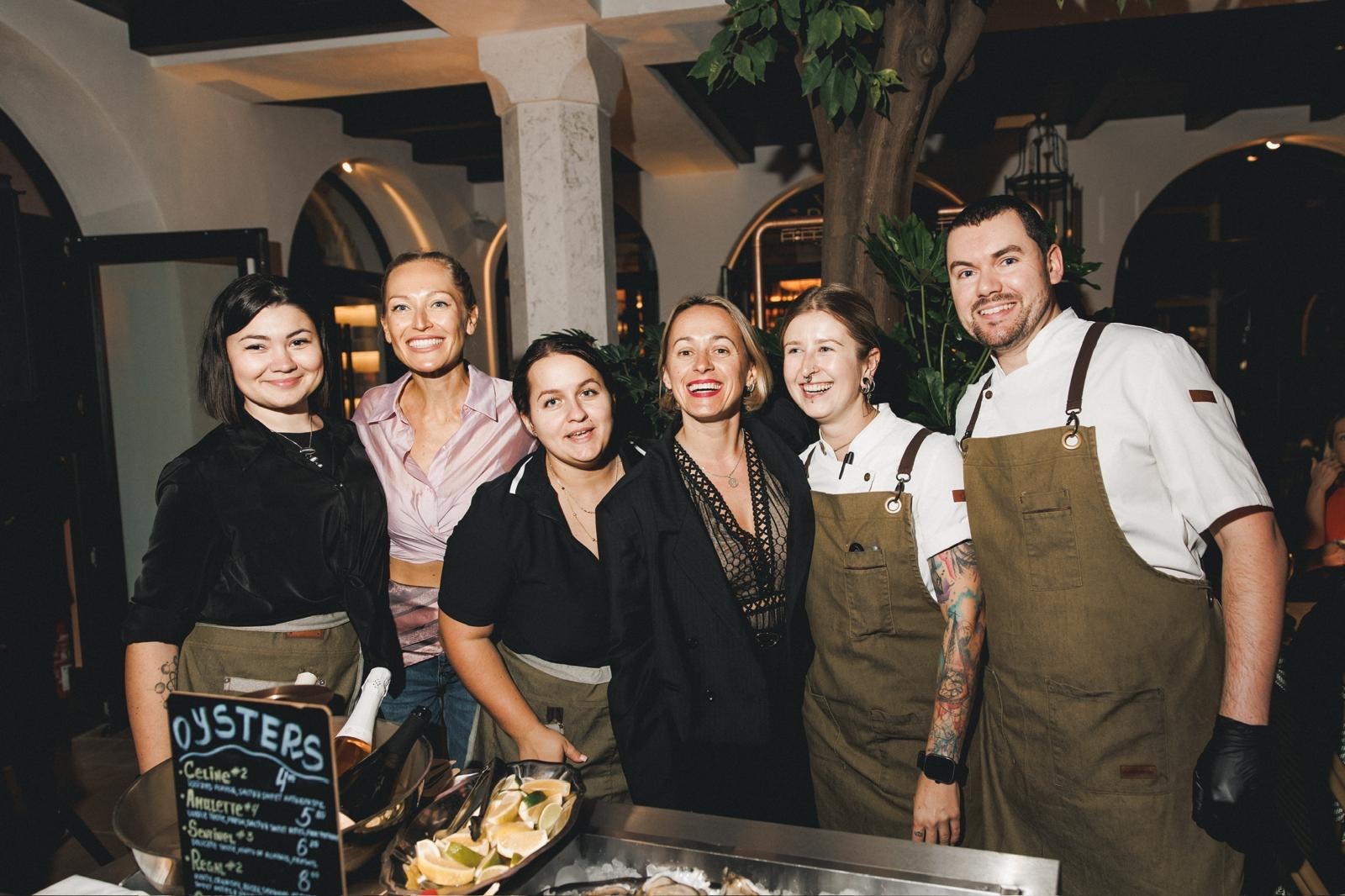
Los días previos a la apertura, sin embargo, fueron cualquier cosa menos serenos. Dos días antes del lanzamiento, Forum se preparaba para recibir a 2.500 invitados junto al alcalde de Marbella, y el restaurante seguía sin agua ni electricidad de la ciudad. La presión era enorme. Sin embargo, cuando se abrieron las puertas, el resultado fue exactamente como Natalie lo había imaginado, quizá incluso más.
“No podía creer que hubiéramos creado la experiencia así”, dice ella.
Esa palabra, experiencia, está en el corazón de todo. Natalie tiene una visión clara de las realidades de la hostelería actual: la comida por sí sola ya no basta. Lo que importa ahora es la composición total. La bienvenida en la puerta. El ritmo de la música. El peso de una copa de cristal en la mano. La suavidad de la luz, el aroma que sale de la cocina, la nota final del postre llegando justo en el momento perfecto. En The Fisherman’s Daughter, estos detalles no son decorativos. Son la arquitectura de la memoria.
De día, la sensación es fresca y bañada por el sol. Torres de marisco, ostras, champán y facilidad. De noche, el ambiente se desliza hacia un registro más íntimo. El nu-jazz recorre la sala, las sombras se alargan, y todo el lugar adquiere una especie de seducción silenciosa. Se mueve con naturalidad del almuerzo a la noche tardía, de la luz al resplandor.
Natalie habla de Marbella como de una elección consciente. “En un mercado como este, necesitas un público que entienda cierto nivel de hospitalidad, donde la belleza, la calidad y la experiencia no sean extras, sino expectativas. La Milla de Oro marca ese tono. Forum, para nosotros, fue el escenario adecuado. Elevado, pero sin formalidades innecesarias.”
“Mi negocio es mi vida”, dice con sencillez.
Esa misma sensibilidad ahora da forma a lo que viene después. The Fisherman’s Daughter nunca estuvo pensada para quedarse como un único destino. Se concibió como algo más fluido, una marca capaz de moverse entre lugares y momentos. El equipo está desarrollando actualmente Casa Vida en Marbella, un espacio más amplio con una energía distinta, pero guiado por la misma obsesión por cómo se vive un espacio.
Más allá de eso, la expansión adopta una forma más itinerante. No es catering tradicional, sino alta cocina viajera. Pop-ups sofisticados. Apariciones invernales en estaciones de esquí con ostras y lobster rolls en las pistas. Activaciones en la semana de la moda que reúnen hospitalidad, glamour y espectáculo. Un universo que puede desplegarse junto al mar, en la montaña, al compás de los calendarios internacionales de estilo.
La ambición es global, pero el principio emocional sigue siendo íntimo. Natalie habla menos de escala que de sensación. Para ella, el éxito no es simplemente una sala llena, sino un cierto cambio en el comportamiento humano. Móviles boca abajo. Un almuerzo que se alarga inesperadamente hasta la tarde-noche. Invitados que deciden quedarse un poco más, simplemente porque el ambiente se lo pide.
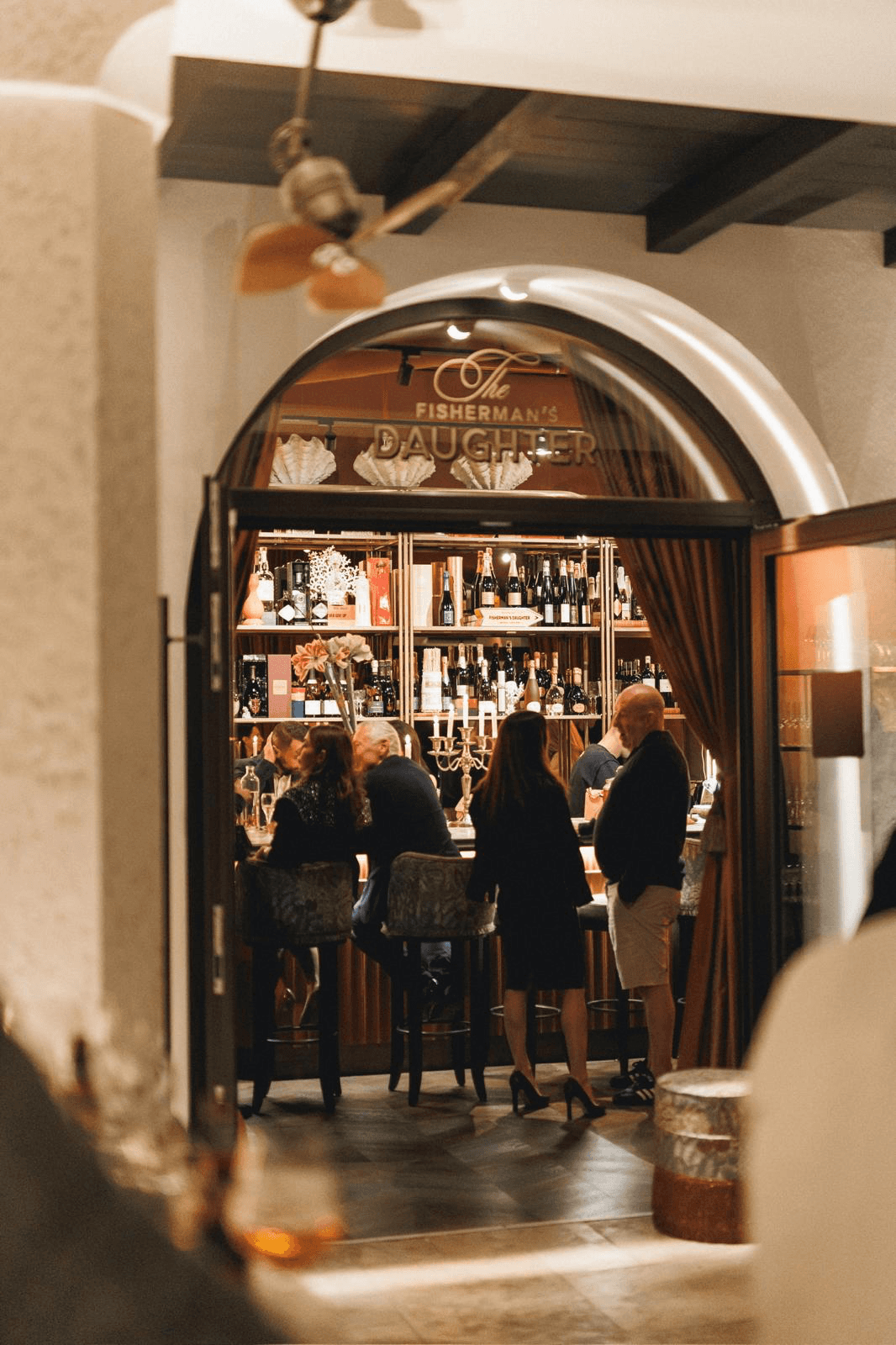
“El éxito es cuando las personas se detienen un segundo”, dice. “No porque tengan que hacerlo, sino porque sienten algo”.
Ese instinto apunta hacia un futuro más amplio. Courchevel, Zermatt, Miami, Dubái. Lugares con identidades propias y muy marcadas, pero con espacio para un nuevo lenguaje de hospitalidad. Uno que se apoye menos en el formato que en la emoción. Menos en el concepto que en la atmósfera.
Natalie no está simplemente abriendo restaurantes. Está construyendo un universo. Uno definido por la belleza, sí, pero también por el ritmo, la intimidad y la presencia. Una mesa que se convierte en algo más que una mesa. Un espacio que transforma el día. Un entorno que te acoge.
En Marbella, esa visión ya ha tomado su primera forma. En otros lugares, apenas está empezando.
Como dice Klaudia, “Si recuerdan el sabor, está bien. Si recuerdan cómo se sintieron, eso lo es todo”.
Y quizá esa sea la verdadera esencia de The Fisherman’s Daughter. No es simplemente un restaurante, sino un lugar donde la belleza, el ambiente y la memoria se encuentran y, durante unas pocas horas suspendidas, nada más parece importar.